

Texas Communities Shape the Future of Residential Alzheimer's Care
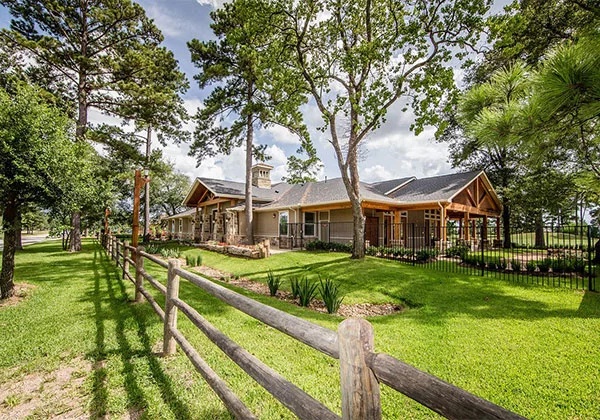
Retirement communities Champions.
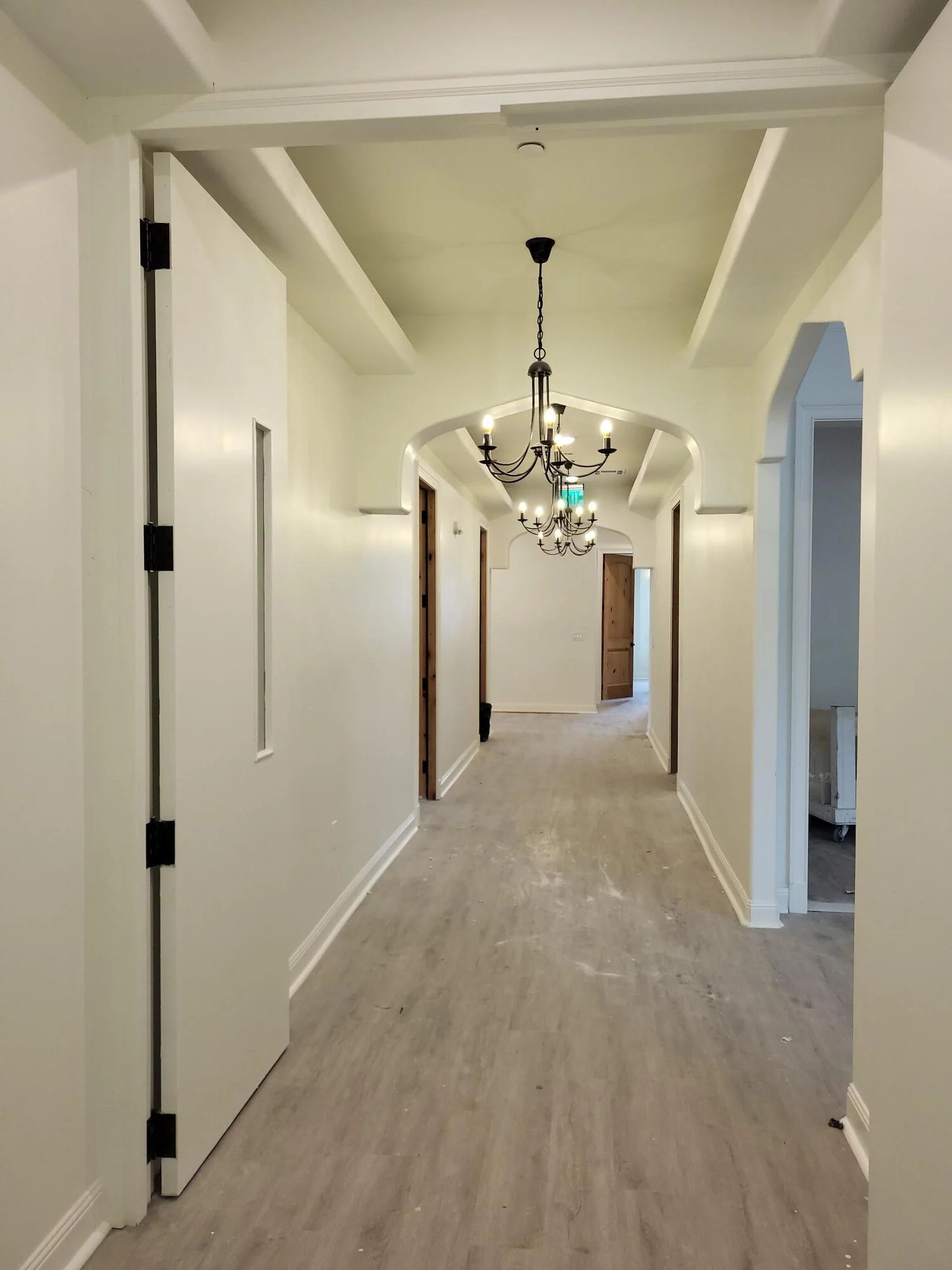
Senior living communities Highland Village.,
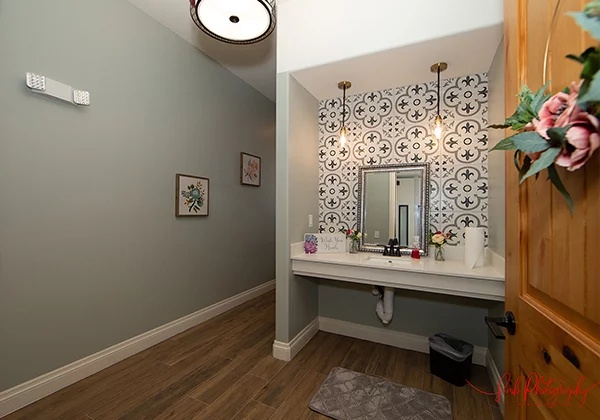
Assisted Living in Rockwall, Texas.
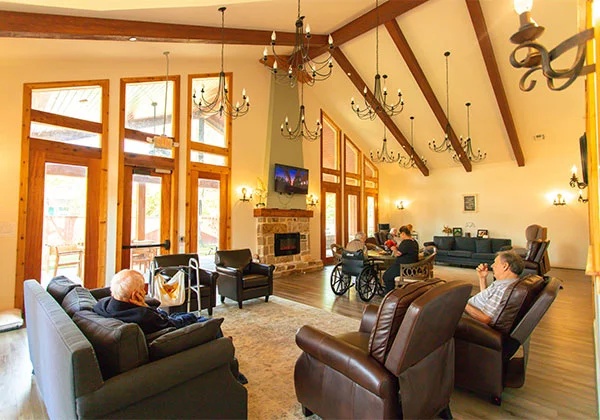
Alzheimer’s home care services in Champions, TX

Alzheimer’s care in Highland Village
Village Green highlights evolving dementia care trends across Texas, focusing on Alzheimer's support, assisted living, and person-centered senior care.
CHAMPIONS, HIGHLAND VILLAGE & ROCKWALL, TX, UNITED STATES, July 10, 2026 /EINPresswire.com/ -- Village Green Memory Care Community has outlined current developments influencing residential dementia care across several Texas communities, with attention to Alzheimer’s care home services in Champions, TX, Alzheimer’s care in Highland Village, and the evolving role of assisted living in Rockwall, Texas, within the broader senior care landscape. As the number of older adults living with Alzheimer’s disease and related dementias continues to rise, families, healthcare professionals, and residential care providers are increasingly examining care models that support daily living, cognitive needs, resident safety, and long-term planning.Residential dementia care continues to evolve as communities recognize that individuals experiencing cognitive decline often require support beyond traditional assistance with daily activities. Changes in dementia research, population trends, and care planning approaches have contributed to greater attention toward environments that provide structure, familiarity, and individualized support.
Population Trends Influence Dementia Care Planning
Texas has experienced continued growth among older adult populations, contributing to increased discussions surrounding Alzheimer’s disease and related cognitive conditions. As more individuals require specialized support, residential care providers are evaluating ways to improve care delivery through staff education, environmental planning, family communication, and coordinated healthcare approaches.
The growing need for dementia-focused services has also encouraged collaboration among healthcare providers, rehabilitation professionals, social workers, and residential care organizations. These partnerships help create more connected approaches that address changing needs throughout the aging process.
Rather than relying on a single care model, many communities now recognize that individuals may require different levels of support depending on their cognitive abilities, health conditions, and personal circumstances.
Residential Alzheimer’s Care Focuses on Individual Needs
Alzheimer’s disease affects multiple aspects of daily life, including memory, communication, mobility, decision-making, and emotional responses. As a result, residential dementia care has expanded beyond basic assistance with personal care tasks. Many modern approaches emphasize personalized routines, meaningful activities, familiar surroundings, and consistent support strategies. These elements are intended to help residents maintain engagement and comfort while receiving appropriate assistance.
Discussions surrounding Alzheimer’s care home services in Champions, TX, often highlight the importance of creating environments where routines and surroundings support individuals experiencing memory-related challenges. Organized spaces, predictable schedules, and individualized care plans are among the factors considered when developing dementia-focused residential settings.
Individualized Care Planning Supports Changing Needs
Because dementia progression varies from person to person, residential care providers increasingly focus on individualized assessments rather than standardized approaches. Care planning commonly considers factors such as:
• Cognitive abilities
• Mobility levels
• Communication patterns
• Medication needs
• Nutritional requirements
• Existing health conditions
• Personal interests
• Family involvement
• Behavioral observations
• Daily living abilities
These evaluations provide a foundation for creating support plans that can be adjusted as residents’ needs change over time. This approach recognizes dementia care as an ongoing process requiring regular observation, communication, and adaptation. Continuity Remains Important in Alzheimer’s Care Families exploring Alzheimer’s care in Highland Village often consider whether residential environments can provide consistent support as care needs develop. Continuity is an important factor because individuals with dementia may benefit from familiar caregivers, predictable routines, and stable surroundings.
Consistent staffing can help residents develop familiarity with caregivers, while structured daily schedules may reduce uncertainty and support comfort. Environmental features such as clear pathways, recognizable spaces, appropriate lighting, and simplified layouts can also assist individuals who experience difficulty navigating complex environments. These elements contribute to residential settings designed to support individuals throughout different stages of cognitive decline.
Understanding Assisted Living and Specialized Dementia Care
The differences between assisted living and memory-focused residential care continue to be an important consideration for families evaluating senior care options.
Assisted living in Rockwall, Texas generally supports older adults who need assistance with daily activities while maintaining varying levels of independence. Support may include help with personal care, meals, medication reminders, housekeeping, and other everyday tasks. Specialized dementia care environments typically incorporate additional practices designed
for individuals experiencing cognitive impairment. These may include:
• Dementia-focused staff training
• Enhanced supervision
• Structured activity programs
• Secure residential layouts
• Cognitive engagement opportunities
• Specialized communication approaches
• Environmental modifications
While some assisted living communities may offer memory care services, the level of
support and operational focus can differ depending on the needs of residents.
Environmental Design Supports Dementia Care Goals
The physical design of residential environments has become an increasingly important part
of dementia care discussions. Research and industry practices continue to examine how
surroundings influence comfort, navigation, and daily experiences for individuals with
cognitive impairment.
Common environmental considerations include:
• Clear walking areas
• Reduced visual distractions
• Accessible dining spaces
• Comfortable social areas
• Secure outdoor spaces
• Consistent lighting
• Recognizable room identification
• Reduced noise levels
These design principles are intended to support safety while encouraging residents to move through their surroundings with greater confidence. Daily Activities and Cognitive Engagement Structured routines and meaningful activities remain central components of many dementia care approaches. Residential communities often organize daily schedules around meals, personal care, physical movement, cognitive engagement, rest periods, and social
opportunities.
Activities may include:
• Music programs
• Art activities
• Reminiscence sessions
• Gardening
• Gentle exercises
• Sensory activities
• Reading groups
• Social gatherings
• Seasonal events
The focus of these programs is generally on participation, familiarity, emotional well-being,
and maintaining existing abilities rather than measuring success solely through cognitive
improvement.
Family Participation and Healthcare Coordination
Family involvement continues to play an important role in dementia care planning. Communication between families and residential providers can help maintain consistency and provide a clearer understanding of changing needs.
Care coordination may involve communication with healthcare professionals such as primary care physicians, neurologists, therapists, pharmacists, and other specialists. This collaborative approach helps incorporate medical recommendations into daily care plans.
Because Alzheimer’s disease often occurs alongside other health conditions, ongoing coordination can support more comprehensive care planning.
Staff Training and Safety Practices
Dementia care requires specialized knowledge and communication skills. Residential providers continue to emphasize staff education related to memory impairment, behavioral changes, personal care assistance, emergency procedures, and resident dignity.
Training initiatives commonly address:
• Dementia communication methods
• Behavioral observation
• Fall prevention
• Medication support
• Emergency response
• Resident rights
• Family communication
Safety remains another major consideration for families evaluating residential dementia care. Individuals living with Alzheimer’s disease may experience challenges related to judgment, mobility, and awareness of surroundings. Residential environments often incorporate safety measures such as controlled access, emergency response systems, secure outdoor areas, supervision practices, and environmental assessments.
Importance of Early Care Planning
Senior care professionals frequently encourage families to begin planning discussions before advanced care needs develop. Early planning allows families to evaluate available options, understand future requirements, review financial considerations, and discuss personal preferences.
Whether families are exploring Alzheimer’s care in Highland Village, assisted living in Rockwall, Texas, or other residential support options, early preparation can help create a clearer path for future decisions.
Future Directions in Dementia Care
Residential dementia care continues to change as research, technology, workforce training, and demographic trends influence the senior care sector.
Future developments are expected to include:
• Expanded caregiver education
• Greater use of supportive technologies
• Continued focus on individualized care
• Improved environmental planning
• Enhanced healthcare coordination
• Increased family education resources
Across Texas communities, discussions surrounding Alzheimer’s care home services in Champions, TX, Alzheimer’s care in Highland Village, and assisted living in Rockwall, Texas reflect broader efforts to understand how residential care systems can adapt to the needs of aging populations.
About Village Green Memory Care Community
Village Green Memory Care Community is a Texas-based provider of residential dementia care services. The organization supports individuals living with Alzheimer’s disease and related cognitive conditions through structured memory care environments. Services include individualized care planning, assistance with daily living activities, secured residential settings, and coordinated support designed to address changing care needs. Operations focus on safety, consistency, and resident-centered care practices while working within established regulatory standards and collaborating with healthcare professionals when appropriate.
Media Contact:
Village Green Memory Care Community
Phone: 281-208-5876
Email: info@villagegreenalzheimerscare.com
Website: https://villagegreenalzheimerscare.com/
Zahra Sabir
Village Green Alzheimers Care
+1 281-208-5876
info@villagegreenalzheimerscare.com
Visit us on social media:
LinkedIn
Instagram
Facebook
Legal Disclaimer:
EIN Presswire provides this news content "as is" without warranty of any kind. We do not accept any responsibility or liability for the accuracy, content, images, videos, licenses, completeness, legality, or reliability of the information contained in this article. If you have any complaints or copyright issues related to this article, kindly contact the author above.
